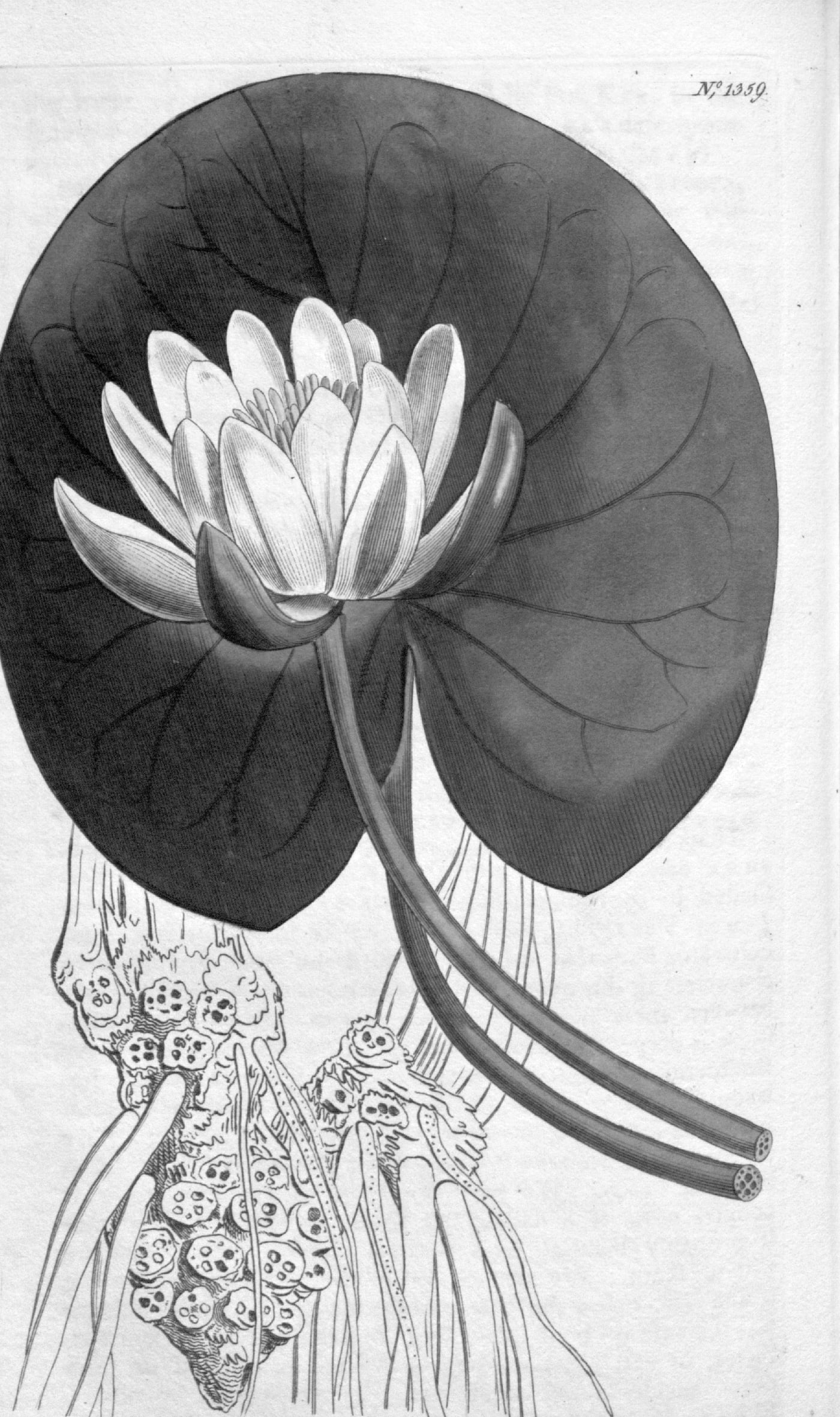
Gone under: the great central lily pad of the southern waters, which had kept the middle of that water through more seasons than most living waterfowl can remember.
Word reached the gazette late on Friday. For some weeks, by the account of those who keep near the southern waters, the pad had been tiring. A wobble had got into it toward the end. It took the weight of a settling frog less kindly than it once had, and a number of frogs had lately been choosing the smaller pads off to the side, on grounds not one of them would put a name to where it might be written down.
A heron passed the last of the warm afternoon standing on it. The final hour, the heron let it be known through a third party, was “dignified, and then swift,” after which it would add nothing, the heron keeping its own counsel as herons do. To a frog on the spot the same hour came over as “quiet, and also slightly inconvenient.” This paper considers the two accounts compatible.
Eleven cousins survive it, clustered close, with a few more scattered out toward the margins, and not one of the lot can step into what the pad had been to the working life of the pond. Sound enough as lily pads, the cousins; only they have never held the middle, never carried the weight that tells, and none will go forward for a station one pad alone ever kept and no pad keeps now. Long sat in, the central place stands empty. Put the question to the Clerk of the Reed-Bed Subcommittee and he will tell you nothing can be hurried, “a lily pad is not a thing one orders.” A lily pad is, he offered, by way of consolation, a thing one may in time hope for.
The older birds will tell you the pad was at its post before this run of geese was hatched. Honks of commemoration had come its way more than once, the loudest for its tenth summer running as host to the midsummer gathering, a duty now left without an heir. It stood up, as well, through the Great Heel Shortage of the late frost: the emergency heel-distribution worked off its back, and saw a good few households over the meanest stretch of it. Nobody had cleared this. Nobody had asked it to. The Subcommittee let it happen and minuted nothing, the pad behaving by then like an institution that had stopped some while ago waiting to be told it was one.
Among the tributes:
From the Warden of the Sluice: “It was the steadier of the two central pads. I do not often use the word reliable of a lily pad. In this case I shall, and shall not apologise for it.”
From the Clerk of the Reed-Bed Subcommittee: “The Subcommittee records its regret. The pad served without complaint for a period the Subcommittee cannot establish, the relevant records being older than any living Clerk. We are persuaded the period was considerable.”
From an unnamed frog: “It was, in every sense, under me. I feel this loss, privately and publicly, as a matter of my own standing.”
At dusk on Saturday there is talk of a small memorial. Come quietly to the spot, those who would pay respects, and bring no flowers. A silence will close it, broken only by the usual unsanctioned honks of one particular coot who has, throughout this paper’s lifetime, kept no silence yet, and who, told of the occasion, has declined to be talked out of it beforehand.
What takes the middle of the southern waters now, nobody can say. This paper holds that it ought to stay open a while. An emptiness of a certain kind, the older birds know, asks no hurry to be filled.
As ever, the pond remains.