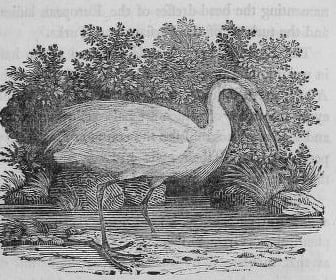
After some weeks of asking, the Warden of the Sluice granted this reporter a brief audience on Tuesday morning. The terms were the Warden’s, and the Warden set them out first. It would happen within sight of the sluice. It would run no longer than a quarter of an hour. And it would not, under any arrangement, be called an interview. That is a word the Warden has never had cause to use about anything the Warden has done, and saw no reason to begin now. The terms were accepted. The conversation began.
The Warden has held the office, by the Warden’s own modest reckoning, “several seasons more than would seem credible to anyone who hadn’t held it themselves.” A more exact figure was, in fact, offered. It was then qualified, twice, before it had finished leaving the Warden’s mouth, and a figure qualified twice in the offering is not a figure fit to print. So it stays off the record, where the Warden plainly meant it to be.
The chief duty of the post is regulating the level of the pond at the sluice. The Warden put it plainly, and at no great length. “Almost entirely a matter of leaving things alone,” the Warden said, “and of being firm about leaving them alone when others are minded to interfere.” There is a second duty, the keeping of the humidity register. It has lately been complicated by the disappearance of the principal gauge, which went missing with the deputy and has not come back. On the whole episode the Warden had little to add, and gave the impression of having less wish to.
The missing deputy drew slightly more. The deputy, the Warden allowed, had throughout been “presumed to be in good order,” and, after a pause, “presumed to be at no great distance from where the deputy was last observed.” Was a search ever planned? Searches, the Warden said, had been considered. They had not been mounted. In the Warden’s experience, “a deputy who has chosen to drift is, generally, a deputy who returns when the drift is no longer of interest to the deputy in question.” This paper did not press the point.
On the smaller disputes the Warden is asked to settle, the ones too slight to trouble the Subcommittee and too irritating to leave alone, the Warden warmed up considerably. This is the part of the office the Warden seems least to resent. The post, the Warden said, is “the place where matters arrive which nobody has yet decided whose problem they are.” Recent cases went politely unnamed, with a diplomatic vagueness the regulars have learned to expect. But the Warden’s manner, when the subject turned that way, suggested the empty central lily pad has had some share of the Warden’s attention this season. The Warden would not be drawn on a remedy. “It will be,” was as far as it went, “in time. There is no haste. The position will fill itself, or it will be filled. One observes.”
Of how the Warden came to the sluice in the first place, only the barest question was permitted, and it yielded the barest answer. The Warden was “appointed in succession to a previous Warden, in circumstances which were considered by the parties of the day to be regular.” That was the phrasing, and the Warden offered no gloss on it. Whether that earlier Warden retired, or was replaced for cause, or simply drifted off in a rhyme with the present deputy, the Warden would not say. The whole matter, the Warden’s manner held, is of historical interest only, and is best left there. This paper left it there.
The quarter hour, by the Warden’s own reckoning, ran “a touch over the agreed time, but not so much as to require a noting.” By way of a last pleasantry, the Warden was asked whether any drake among the sluice regulars was a favourite. The look that followed lasted a good deal longer than the question had earned. Then the Warden answered: “The Warden does not have favourites, except among those who file.”